When "I Don't Know" Is the Only Answer: How Art Therapy Helps Children and Teens
Written By: Marissa Lloyd
Some kids can tell you exactly how they feel. Many can't. You ask what happened at school, and you get a shrug, an "I don't know," or a quick change of subject. It isn't that your child is hiding something. Usually the feeling is simply bigger than the words they have for it right now, and that's especially true when they're anxious, overwhelmed, or carrying something hard.
Art gives them another way to say it. In this guide, we'll walk through what art therapy actually is, why children and teens so often respond to it, what a session looks like, and a few gentle ways you can support creative expression at home. Our hope is that by the end, you'll have a clearer sense of whether this path might fit your child.
What Art Therapy Is, and What It Isn't
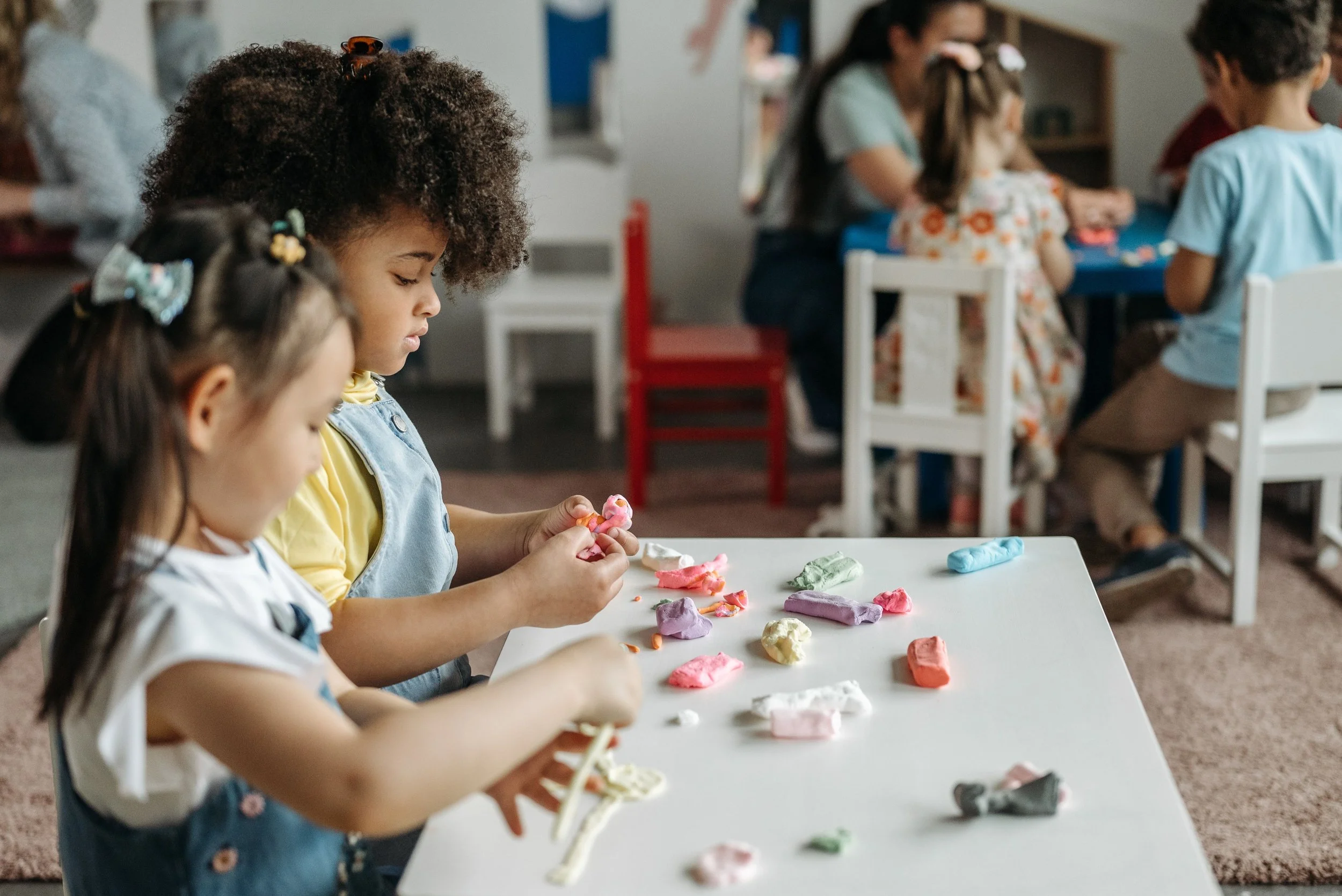
Art therapy is a form of counseling that uses creativity (drawing, painting, clay, collage) right alongside talking to help a child understand and work through what they're feeling. It's one of the approaches we use with children and teens, and it isn't an art class or a craft hour with a nice adult. An art therapist is a trained mental health professional who has studied both counseling and art, and who knows how to use creative activities to help kids express emotions, build coping skills, and start to feel more like themselves again.
Here's the simplest way to picture it: for many children, the image comes before the words. What your child makes becomes a shared language between them and their therapist, a window into what's going on inside, in a way plain conversation often misses. The drawing isn't the goal. It's the doorway.
One worry we hear from almost every parent, and plenty of kids: does my child have to be good at art? Not at all. There are no grades, no "good" or "bad," and no right way to do any of it. A skilled therapist meets every child exactly where they are, whether they draw constantly or haven't picked up a marker in years.
Why Children Open Up When Their Hands Are Busy
Being asked "So, how are you feeling?" is a lot of pressure, even for grown-ups. For a child, it can feel impossible. Making something takes that pressure off. When a child's hands are busy, the hard stuff tends to come out sideways, at their own pace, without the spotlight of a direct question.
Creativity also feels natural to kids. It's play. It's familiar. And because there's no single right answer, there's nothing to get wrong, which makes it feel safe to explore. Many children genuinely look forward to coming back each week, because it doesn't feel like being put on the spot. It feels like making something.
This matters even more for older kids. By the teenage years, a lot of them have already decided that therapy means being stared at and grilled with hard questions, and they want no part of it. Art changes the shape of the room. When you're both focused on the materials instead of locking eyes across a desk, the conversation feels less like an interview and more like talking while making something. That side-by-side rhythm is often what finally lets a guarded teen let their shoulders drop.
What Art Therapy Can Help With
Creative therapy supports a wide range of challenges, and the therapist chooses activities based on your child's specific goals rather than a set formula. Some children come to us with a clear diagnosis; many come simply because something feels off and their parents want help understanding it. Art therapy sits within our broader individual and family therapy work, so the goals are set the same way any therapy goals would be.
Here are some of the areas where we most often see art therapy make a difference:
Anxiety. A calm, hands-on way to slow down, name the worry, and practice settling the body.
ADHD. Many kids focus better making than sitting still, so the work leans on movement and hands-on problem-solving to build focus and confidence.
Autism and sensory needs. Creative activities offer a low-pressure way to explore feelings and practice communication without relying on words.
Emotional regulation. For children who feel everything at full volume, creative work is a gentle place to practice coming back down.
Behavioral challenges. Outbursts usually come from feelings a child can't express yet. Art gives those feelings somewhere to go.
Trauma. Children can explore painful experiences at a safe distance, using images instead of reliving them out loud.
Grief and loss. Making something can help a child hold and honor big feelings about someone, or something, they've lost.
Family transitions. A divorce, a move, a new sibling: creative work helps kids process changes that shake up their world.
Self-esteem and school stress. Finishing something they're proud of helps a child see their own strengths.
What Actually Happens in a Session
Every session looks a little different, but the general rhythm is steady. Your child might draw, paint, work with clay, build a collage, tell a story through pictures, or explore sensory materials. There's no lecture and no worksheet. Mostly, there's making, and a therapist paying close, warm attention to what shows up in it.
The part that surprises parents most is how intentional it all is. Every material is chosen on purpose. A therapist knows which supplies tend to calm an anxious child, which ones invite a quiet child to open up, and which ones help a frustrated child let off steam safely. A few examples of how that works:
Clay
Squeezing, rolling, and shaping clay is soothing and grounding. For a child who tends to melt down or lash out, it's a safe way to turn big, frustrated feelings into something calming.
Family Drawings
Asking a child to draw their family opens a gentle conversation about relationships: who they feel close to, and what's happening at home.
Mask Making
Building and decorating a mask lets a child explore identity and tell their own story. It's a confidence builder, and a powerful way to express the parts of themselves they don't usually show.
In-office sessions include all the materials. For families who meet with us through teletherapy, your child can use supplies you already have at home, or we'll send a short, simple list.
Five Gentle Ways to Support Creative Expression at Home
Therapy is one hour a week. What happens in the other hours matters too, and you don't need any art training to help. These are small shifts that make creativity feel safe in your house.
1. Ask about the making, not the meaning
When your child shows you something they made, it's tempting to ask what it is or what it means. Try instead: "Tell me about it," or "What part was the most fun to make?" Open questions keep the door open, while interpretation can quietly turn art into a test.
That small change also protects the thing that makes creative expression work in the first place: the sense that there's nothing to get right. Your curiosity is the point, not your analysis.
2. Keep supplies where hands can reach them
A basket of paper, markers, and clay left out on a shelf gets used far more than a tidy bin in a closet. Availability lowers the barrier, especially for a child who's dysregulated and can't think through a multi-step plan to find crayons.
3. Make things alongside them, without commentary
Sitting down with your own paper and quietly working on something changes the energy in the room. It signals that this is a shared activity, not a task you've assigned them, and it takes the spotlight off your child.
4. Let the messy stuff be messy
Scribbling hard, tearing paper, mashing clay flat. This often looks like nothing to an adult and feels like everything to a child. Tension moves out through the hands. If the mess is manageable, let it happen.
Setting up somewhere forgiving (a tray, an old towel, the kitchen table) means you can say yes more often, which matters more than the neatness of the result.
5. Resist saving or grading everything
Praising every piece as "beautiful" can teach a child that the goal is your approval. Ask instead what they want to do with what they made (keep it, hang it, throw it away) and follow their lead.
Small as these are, they build the same message therapy builds: your feelings are welcome here, however they come out.
Is Art Therapy Evidence-Based?
Yes. A growing body of research supports the benefits of art therapy for children and teens, with real gains in emotional regulation, coping skills, anxiety, trauma recovery, and self-expression. It's why art therapists work in children's hospitals, schools, and clinics across the country.
It also helps to know who's guiding the work. At Resilient Kids, art therapy is offered by Johanna Murphy, ATR-P, who works with children, tweens, teens, and young adults from age 2 up, with particular depth for neurodivergent, highly sensitive, and LGBTQ+ kids. Her art therapy work is supervised by a board-certified art therapist; on top of her general clinical supervision, one more layer of care around your child. And because these sessions are provided by mental health professionals, they're covered by insurance like any other therapy session.
We're Here When You're Ready
Every child communicates differently. For some, talking is enough. For others, creativity opens a door that words alone haven't been able to reach yet, and watching that door open is one of the most hopeful things a parent can witness.
If you're wondering whether art therapy might fit your child, we'd love to answer your questions, and you'll find more of what parents ask most on our FAQ page. Our Client Care Coordinator will take the time to learn about your family and help match you with the right therapist, at whatever pace feels comfortable. No pressure, just a conversation. We're here when you're ready.
Every family's path looks a little different, and we're here to help you find yours. Whether you're just starting to explore therapy or looking for a new fit, reach out when you're ready, and we'll take the first step together.