Written By: Marissa Lloyd
Grief is one of the most universal human experiences, and yet it is often one of the loneliest. After the first wave of casseroles and condolences fades, many grieving people find themselves surrounded by a strange silence. Life moves on for everyone else, and they are left carrying a loss that no one seems to want to mention. National Grief Awareness Day is a fitting moment to talk about this quiet struggle and the healing power of grieving out loud.
When we keep grief hidden, we often do so believing we are protecting others or ourselves. But silence can compound the pain of loss, adding isolation to sorrow. In this post, we will explore why grief so often goes unspoken, the cost of that silence, how to begin giving voice to grief, and how to support grieving children along the way.
Why We Keep Grief Quiet
There are many reasons people fall silent about their grief, and most of them come from a tender place. We may worry about burdening others, making people uncomfortable, or being seen as stuck or dramatic. We may sense that the people around us have moved on and feel we should have too. Sometimes we simply lack the words for something so large.
Our culture does not always make space for grief, either. There is often an unspoken expectation to bounce back quickly, to stay strong, and to keep our sorrow private. These messages can leave grieving people feeling that their very real pain is somehow inappropriate to express. Recognizing these pressures is the first step toward loosening their grip, and it is a common theme we explore in our individual and family therapy.
The Hidden Cost of Silent Grief
Grief does not disappear when we refuse to speak it. Instead, it tends to go underground, where it can quietly shape our lives in ways we may not connect to the loss. Unspoken grief can surface as anxiety, irritability, exhaustion, difficulty concentrating, or a persistent sense of heaviness.
Silence also cuts us off from the very connection that helps us heal. When we hide our grief, we deny others the chance to support us and deny ourselves the comfort of being witnessed. Over time, carrying grief alone can deepen isolation and make the loss even harder to bear. This is especially true for certain kinds of loss that society tends to minimize, which can leave grievers feeling that they have no right to their own sorrow.
When Grief Goes Unrecognized
Some losses are openly acknowledged and mourned, while others are quietly overlooked. This second kind, sometimes called disenfranchised grief, refers to loss that is not fully recognized or supported by those around us. It can leave people feeling especially alone.
Grief that often goes unrecognized includes:
The loss of a pet, which is sometimes dismissed as less significant
Miscarriage or pregnancy loss, which is frequently grieved in private
The end of a relationship or friendship that others did not understand
Estrangement, or grieving someone who is still living
The loss of a job, a home, or a way of life
Anticipatory grief, felt before a loss has fully arrived
If your grief falls into one of these categories, please know that your loss is real and your feelings are valid. All grief deserves acknowledgment, regardless of whether the world around you recognizes it. Our blog explores many of these often-overlooked experiences in more depth.
How to Begin Grieving Out Loud
Giving voice to grief does not mean broadcasting your pain to everyone or grieving on anyone else's timeline. It means finding safe, intentional ways to let your grief be seen and expressed. Here are some gentle ways to begin.
1. Find one safe person
You do not need a crowd, only one person who can listen without trying to fix your pain. Sharing your grief with a single trusted friend, family member, or support group can begin to break the isolation that silence creates.
2. Put your grief into a form
Grief that feels too big for conversation can sometimes flow more easily through writing, art, music, or ritual. Journaling a letter to the person or thing you lost, or creating a small memorial, gives your grief somewhere to go.
3. Name the loss directly
There is power in speaking a loss plainly, even to yourself. Saying "I am grieving, and this matters" honors the reality of your experience and counters the message that you should stay quiet.
4. Reach for professional support
When grief feels overwhelming, complicated, or stuck, a therapist can offer a safe space to grieve out loud without judgment. Professional support is especially valuable when your loss is one the world tends to overlook. You can meet the clinicians who provide this care on our staff directory.
None of these steps rush your grief. They simply give it room to breathe, which is what grief most needs in order to soften over time.
Creating a Home Where Grief Is Welcome
Beyond how we handle our own grief, we can shape the emotional climate of our homes so that grief is met with openness rather than silence. Families often develop unspoken rules about which feelings are acceptable to show, and when sadness is quietly discouraged, everyone learns to carry it alone. Choosing instead to make your home a place where all feelings are welcome gives every member of the family, adults and children alike, permission to grieve honestly.
This does not require grand gestures. It can be as simple as talking openly about someone who has died, keeping their memory alive through stories and photos, and letting your children see that adults feel sad sometimes too. When a loss touches your family, name it plainly and invite conversation rather than tiptoeing around it. Let tears be met with comfort rather than a rush to cheer everyone up.
Model that it is possible to feel deep sadness and still be okay, still be held, still be loved. Children who grow up in a home where grief is welcome learn that they never have to hide their pain to be accepted, and they carry that healthy relationship with emotion into the rest of their lives. If your family is navigating a loss and could use guidance, we are here to help, and our frequently asked questions offer a helpful starting point.
Helping Children Grieve Out Loud Too
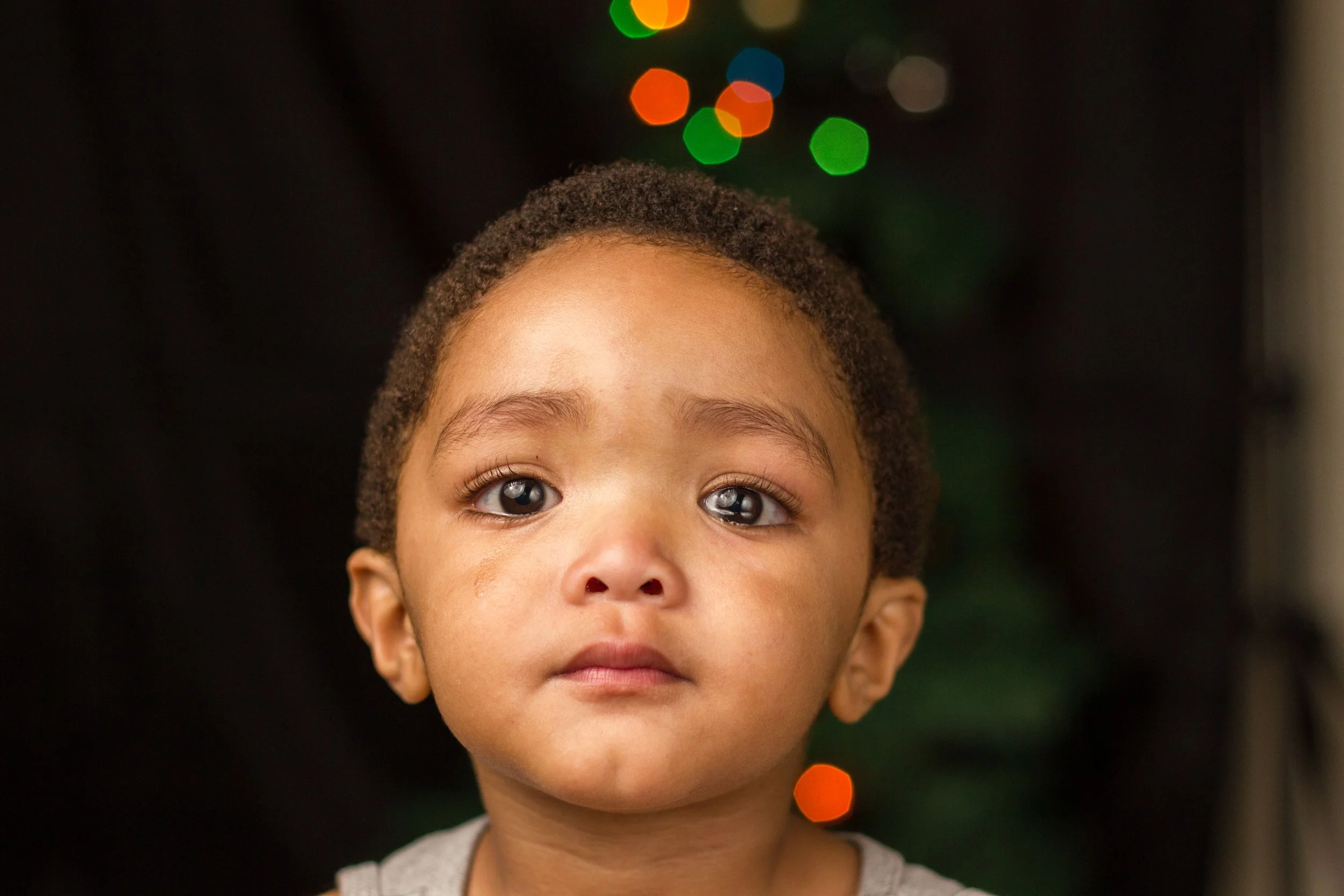
Children grieve as deeply as adults, but they often do so without the words to explain what they feel. When the adults around them stay silent about a loss, children can absorb the message that their feelings are not welcome. Grieving out loud as a family, in age-appropriate ways, gives children permission to express their own sorrow.
You can support a grieving child by naming the loss honestly, inviting their questions, and letting them see that it is okay to feel sad and to talk about it. Reassuring a child that all of their feelings are welcome helps them process grief in healthy ways rather than carrying it silently. If a child seems stuck in their grief or it is affecting daily life, a child-focused therapist can help, and you can learn more about our clinicians, including Lezley Sexton, LPCMH.
Letting Your Grief Be Heard
Grief was never meant to be carried in silence. When we find safe ways to grieve out loud, we honor what we have lost and open ourselves to the connection and comfort that help us heal. Whether your loss is widely recognized or quietly overlooked, your grief deserves to be witnessed and expressed.
At Resilient Kids, we provide compassionate, judgment-free support for grief and loss for children, teens, adults, and families. If you or someone you love is carrying a grief that no one seems to talk about, we invite you to reach out and request a session. You do not have to grieve alone.
Every family's path looks a little different, and we're here to help you find yours. Whether you're just starting to explore therapy or looking for a new fit, reach out when you're ready, and we'll take the first step together.