Gardening as Therapy
Written By: Marissa Lloyd
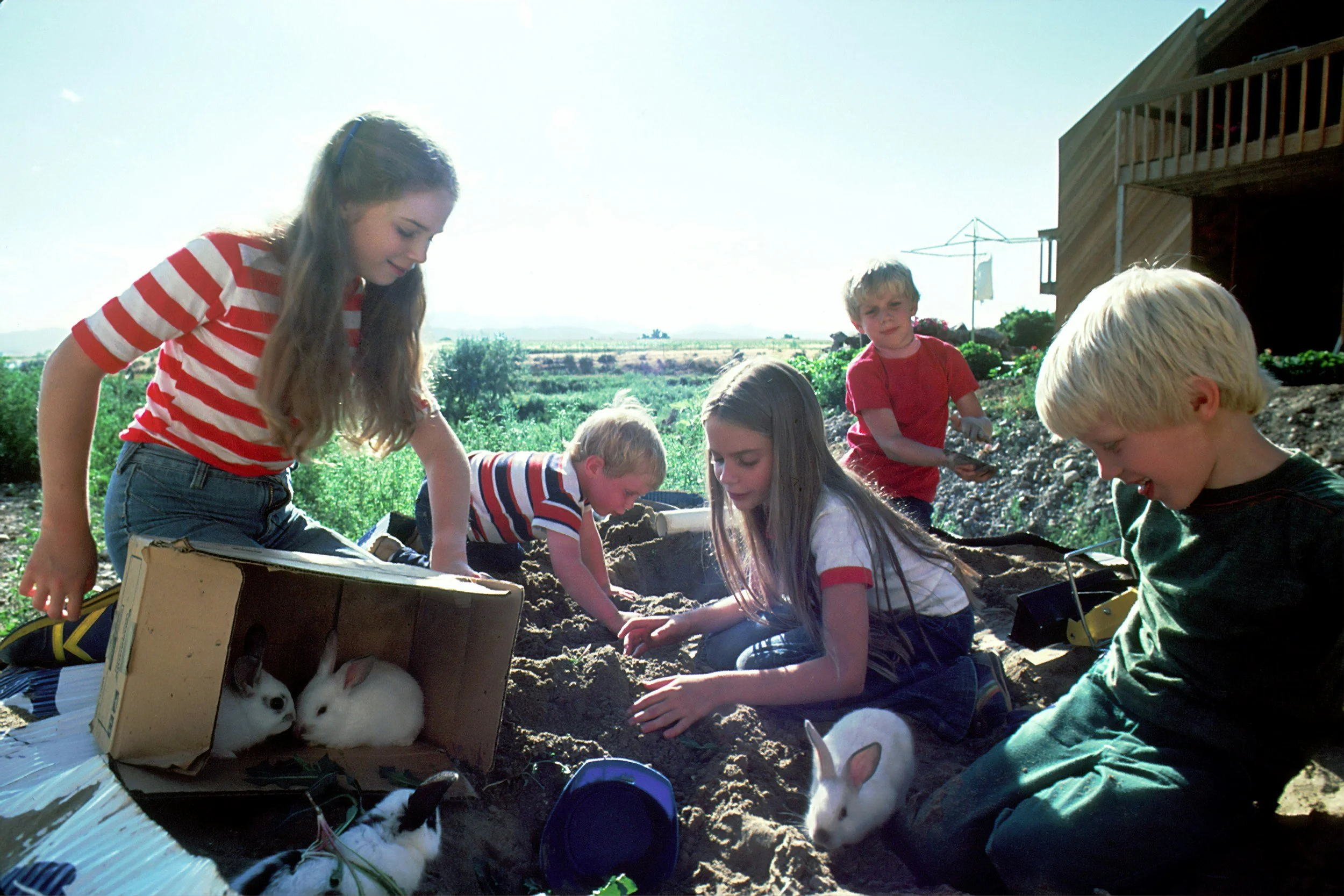
There's something that happens when a child pushes a seed into soil with their own hands. It's quiet and unhurried, nothing like the pace of most of their days. They pat the dirt down, water it carefully, and then, maybe for the first time in a while, they wait. Not because they have to, but because they want to see what comes next.
That small, ordinary moment is actually doing something significant. For children navigating anxiety, big emotions, trauma, or the pressures of growing up, gardening offers something that's hard to replicate anywhere else: a place to slow down, feel capable, and experience the deep satisfaction of tending to something alive.
Why Nature Heals
Research has consistently shown that time in natural environments reduces cortisol (the body's primary stress hormone), lowers heart rate, and improves mood. For children especially, the multi-sensory quality of being outdoors, the feel of soil, the smell of leaves, the sound of birds, the visual unpredictability of a living garden, activates the nervous system in a calm, grounding way rather than an overwhelming one.
There's a concept in psychology called "soft fascination": the gentle, effortless attention we give to natural settings. Unlike the sharp focus required for screens or academic tasks, soft fascination allows the brain to rest and restore itself. A child pulling weeds, watching a butterfly, or checking whether their bean sprout has grown since yesterday is experiencing exactly this kind of restorative attention. They're present without pressure, engaged without performance.
For children who carry anxiety or trauma in their bodies, the physicality of gardening is especially meaningful. Digging, carrying, watering, and planting all provide proprioceptive input (deep pressure and movement feedback to the muscles and joints) that is naturally regulating for the nervous system. It's grounding in the most literal sense.
What Gardening Teaches That Therapy Rooms Can't
The garden is a remarkable teacher, and its lessons land differently than anything a therapist can say directly.
Patience
In a world of immediate feedback and instant results, a garden simply doesn't cooperate. Seeds take the time they take. That wait, and the reward that eventually comes from it, teaches children something about tolerating uncertainty and trusting processes they can't control.
Cause and Effect
Children who tend a garden learn viscerally that care produces results. Water the plant, it grows. Neglect it, it struggles. This is not a metaphor we have to explain. They feel it in their hands before they understand it with their minds, and that embodied knowledge becomes part of how they understand their own capacity to influence their world.
Tolerance for Imperfection
Gardens don't always do what you plan. Seeds don't sprout. Pests show up. Something gets too much sun or not enough water. Children who garden learn to adapt, try again, and stay curious when things don't go as expected, a skill that transfers beautifully to everything else.
Pride That Isn't Performance
The satisfaction of harvesting a tomato you grew yourself is private, personal, and completely yours. It doesn't require an audience or a grade. For children who struggle with self-esteem tied to external validation, this kind of intrinsic pride is particularly nourishing.
Eco-Therapy: When Gardening Becomes a Therapeutic Practice
Eco-therapy, sometimes called nature-based therapy, is the intentional use of natural environments and activities as part of a structured therapeutic process. At Resilient Kids, our eco-therapy work is grounded in evidence-based principles and guided by trained clinicians who bring therapeutic goals into the outdoor setting.
Gardening is one of the central activities within our eco-therapy approach. But it looks different from simply going outside to pull weeds. The therapist is present and engaged, using the garden as a context for exploring what's happening for the child emotionally, relationally, and developmentally. A child who's been struggling to express feelings in the therapy room often finds it easier to open up while their hands are occupied. The garden holds the conversation alongside the therapist.
Our eco-therapy takes place at Buddy's Place Therapeutic Farm, a dedicated therapeutic setting that provides a rich natural environment for this kind of healing work. The farm is distinct from our office-based services, and sessions are held there consistently as a dedicated format, not combined with office visits. This consistency is part of what makes the work effective: children build a relationship with the space, the rhythm, and the natural world around them over time.
What Eco-Therapy Can Help With
Nature-based approaches tend to be a particularly good fit for children and teens who have difficulty engaging with traditional talk therapy. Here are some of the concerns we often address through eco-therapy at Buddy's Place:
Anxiety and chronic stress, including generalized worry and nervous system dysregulation
ADHD and attention difficulties (natural environments genuinely reduce inattention in research studies)
Trauma, including experiences that haven't been easy to approach in a standard office setting
Depression and low mood, particularly when disconnection and withdrawal are prominent
Self-esteem and confidence challenges
Emotional regulation difficulties
Grief and loss, including the slow, accumulating losses that children often carry without naming
This list isn't exhaustive. If your child is struggling and traditional settings haven't felt like the right fit, eco-therapy may offer something different worth exploring.
Starting the Conversation
You don't have to be sure eco-therapy is right for your child to reach out. That's what a first conversation is for. We'll ask about what's been hard, what your child enjoys, and what you're hoping for. From there, we can talk honestly about whether an outdoor approach might be a good fit or whether a different service would serve your family better.
If your child has ever seemed more like themselves outdoors than anywhere else, that's worth paying attention to. Some children heal in offices. Some heal in fields. We work in both.
We'd love to hear about your family. Reach out whenever you're ready. There's no rush, and no pressure.
Every family's path looks a little different, and we're here to help you find yours. Whether you're just starting to explore therapy or looking for a new fit, reach out when you're ready, and we'll take the first step together.